
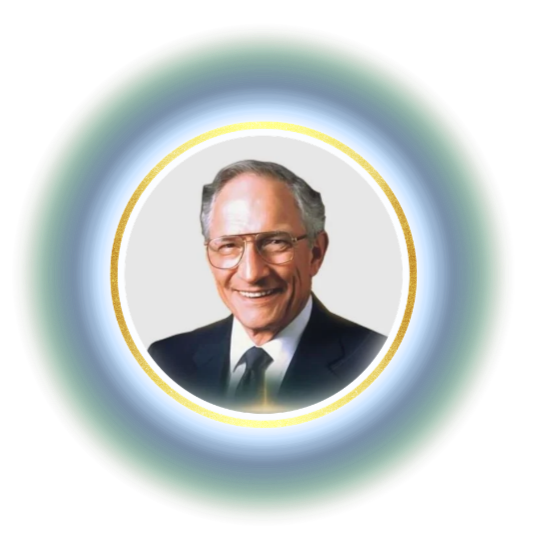
Noyce Section: Did You Know?
He was a champion diver. While at Grinnell College, Noyce won the Midwest Conference diving championship, an early display of the confidence and precision that later defined his approach to innovation.
He was a lifelong musician. A talented oboe player in his youth, Noyce possessed a strong singing voice and deep musical knowledge, remaining actively engaged with music throughout his life.
He chose freedom over prestige early on. After MIT, Noyce turned down offers from major institutions such as IBM and Bell Labs to join Philco, believing a smaller organization would give him greater independence and opportunity.
A Traitorous Eight colleague shaped venture capital. One of Noyce’s Fairchild co-founders, Eugene Kleiner, later co-founded Kleiner Perkins, which became one of the world’s most influential venture capital firms.
He found community through music. A lifelong secular humanist, Noyce later joined a madrigal singing group, frequently hosting rehearsals in his living room.
He felt uneasy about visible wealth. After buying a large home with sweeping views in Los Altos Hills, Noyce reportedly felt guilty, imagining that his parents might have disapproved of what he saw as an extravagant purchase, a reflection of the Midwestern values he never fully shed.
He skied fast and fearlessly. Known for a straight-down, high-speed skiing style, Noyce enjoyed racing younger Intel colleagues on the steep slopes of Aspen.
He maintained his own aircraft. Unlike most executives, Noyce preferred to service and repair his private planes himself, spending weekends tinkering with engines and flight hardware.
He piloted his own long-distance commutes. Years before private jets became common executive perks, Noyce often flew himself between Silicon Valley and Aspen.
He was revered in Japan. In Japan, Noyce achieved near-celebrity status, drawing large crowds eager to hear him speak about the semiconductor revolution.
He kept a pony in suburbia. Despite immense wealth, Noyce kept a pony in the backyard of his Los Altos home for his children, reflecting the modest, Midwestern values he never outgrew.
His first wife became a major philanthropist. After their divorce, Elizabeth Noyce used her settlement to fund transformative philanthropic projects, including the revitalization of downtown Portland, Maine.
He invested casually and forgot about it. Noyce backed dozens of startups, including future giants such as Adobe and Compaq, and famously stored stock certificates in a shoebox, nearly forgetting about them until they were later found to be worth a fortune.
One daughter chose a cloistered life. In contrast to Silicon Valley success, Noyce’s daughter Margaret (Peggy) chose a life of spiritual devotion and became a cloistered nun.
His other children followed diverse paths. His son Bill became a software engineer, while his other daughters Polly and Penny pursued careers in art and in medicine and philanthropy.
He helped guide public education. Noyce served as a Regent of the University of California from 1982 to 1988, contributing to the stewardship of one of the world’s leading public university systems.
He was affectionately dubbed a “teen idol.” Just days before his death, Noyce was amused and touched when employees at Sematech greeted him wearing T-shirts that read, “Bob Noyce, Teen Idol.”